
THE STORY
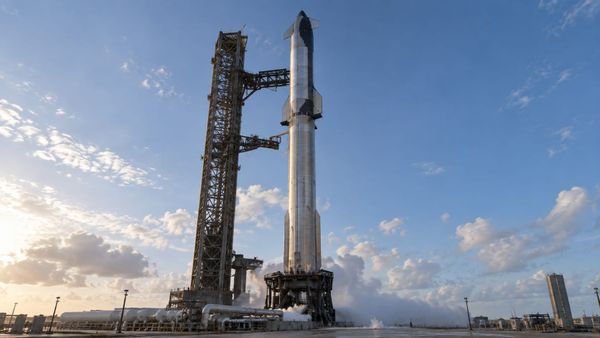
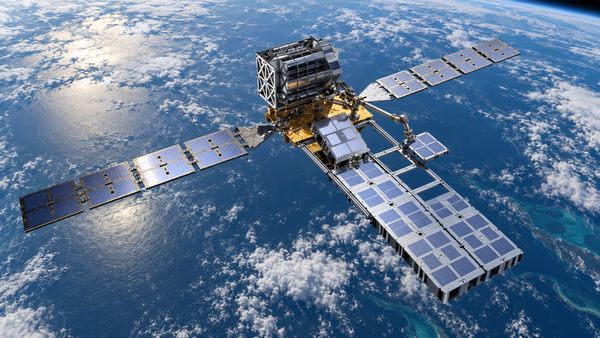
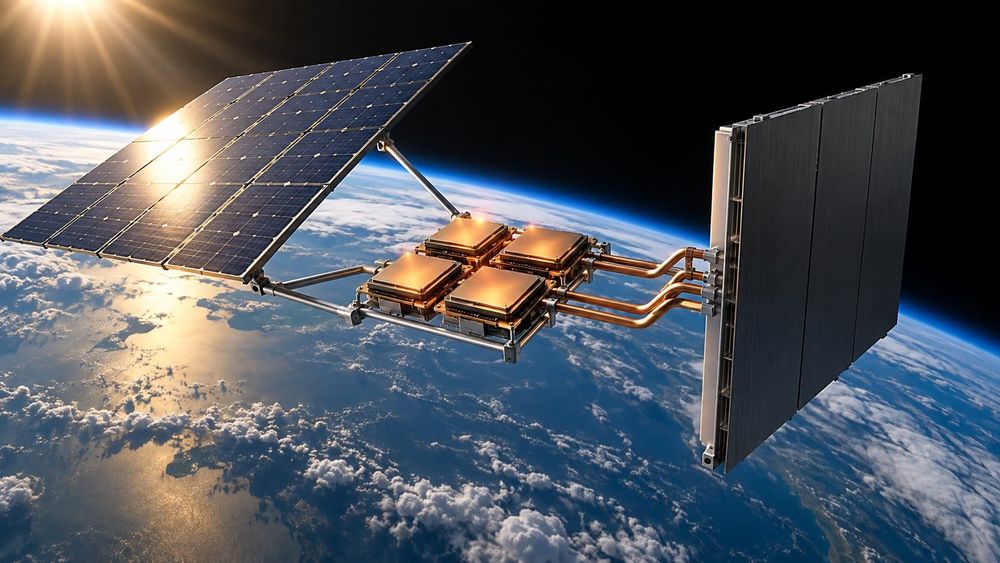
Google announced an upcoming orbital experiment for Project Suncatcher on September 24, taking its space-based computing concept toward a hardware test with partner Planet. The prototype will fly aboard Transporter-18 and measure how Google’s tensor processing units, or TPUs—processors used for AI workloads—perform through launch stress and orbital radiation and thermal conditions. Ars Technica reports a scheduled October 1 launch for the refrigerator-sized spacecraft, called MVP, carrying four TPUs and approximately one kilowatt of solar power. That date is a reported schedule, not a completed launch.
The most revealing detail is the proposed computing rhythm. According to Ars, MVP will run Gemini workloads for roughly 15 minutes before shutting down its processors so cooling can catch up. This is an intermittent experiment, with heat management directly shaping the operating schedule. Google says it has tested heat pipes and radiators in a thermal-vacuum chamber; the flight will test their performance in orbit. Read together, those details make the cooling cycle a central result to watch. Completing useful calculations matters, but so does understanding how the spacecraft handles the heat produced while doing them.
Google has also reported ground tests addressing two other parts of the flight environment. The hardware completed vibration testing, and proton-beam tests at UC Davis ran AI workloads while exposing chips to radiation. Google says its Trillium chips tolerated total ionizing doses exceeding its estimate for a five-year mission. That is a specific ground-test result, not proof of five years of reliable orbital service. MVP’s flight will add evidence from operation in space, where the company intends to measure processor performance alongside the spacecraft’s thermal behavior. No orbital computing result is established yet.
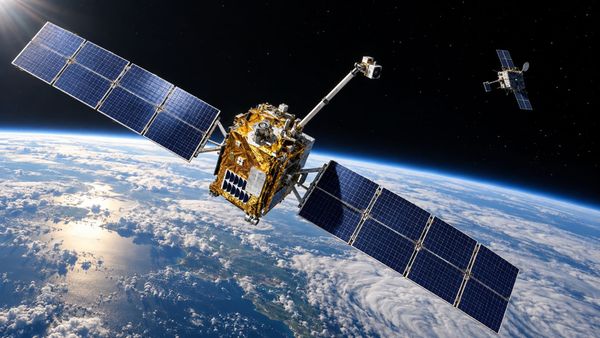
The larger Suncatcher concept envisions satellite clusters powered by sunlight, but this prototype does not demonstrate a working cluster. Google separately plans two satellites in 2027 to test precise, high-bandwidth laser interconnections—the links intended to connect computing hardware across spacecraft. The development path therefore contains distinct questions: can the processors operate usefully in orbit, can their heat be managed, and can separate satellites exchange data as required? MVP addresses an early portion of that sequence. If successful, it could turn a broad orbital-computing proposal into measured performance that engineers can use to size the next experiment.
THE DOUGH
If orbital computing proves practical, spending could extend beyond processors into spacecraft power, thermal systems, and optical communications. The Planet partnership establishes participation in this experiment, without establishing a commercial orbital data-center business. The economic questions remain useful work delivered over time, infrastructure cost, and whether later systems can sustain operation; the supplied evidence provides no basis for claiming a cost advantage over terrestrial computing.
We are not financial analysts or investment advisors. Nothing in this newsletter constitutes investment advice. All economic analysis is speculative and for informational purposes only. Do your own research.
THE POSSIBILITIES
The cooling interval could make thermal engineering a decisive constraint on how much useful computation each spacecraft delivers. If that pattern persists in larger designs, improving heat rejection could unlock more productive operating time even without adding processors.
THE HURDLES
Ground radiation and thermal tests do not establish complete flight reliability, continuous operation, or commercial economics. The separately planned laser-link experiment also leaves large-cluster performance unproved, even if MVP’s four processors perform successfully.
WHAT TO WATCH
- Launch confirmation and successful activation of MVP’s computing payload.
- Actual workload duration and the cooling time required between runs.
- Reported processor performance and radiation-related interruptions.
- Measured orbital performance of the heat pipes and radiators.
- Progress toward the two-satellite laser-interconnection test planned for 2027.
Void Economy is researched, written, and illustrated with AI, reviewed and edited by a real, live, flesh-n-blood human.