
THE STORY
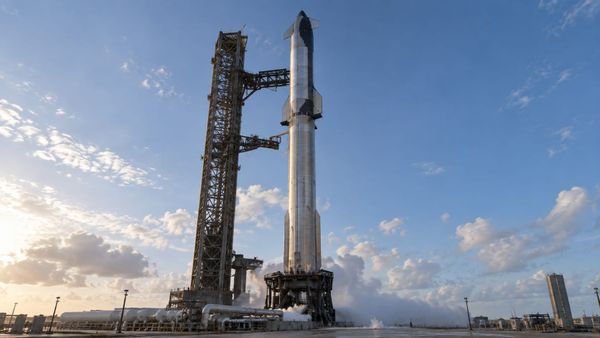
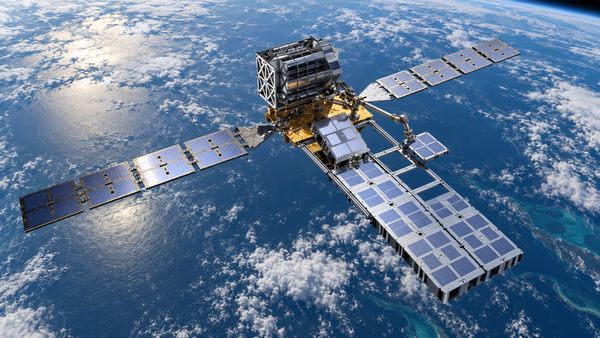
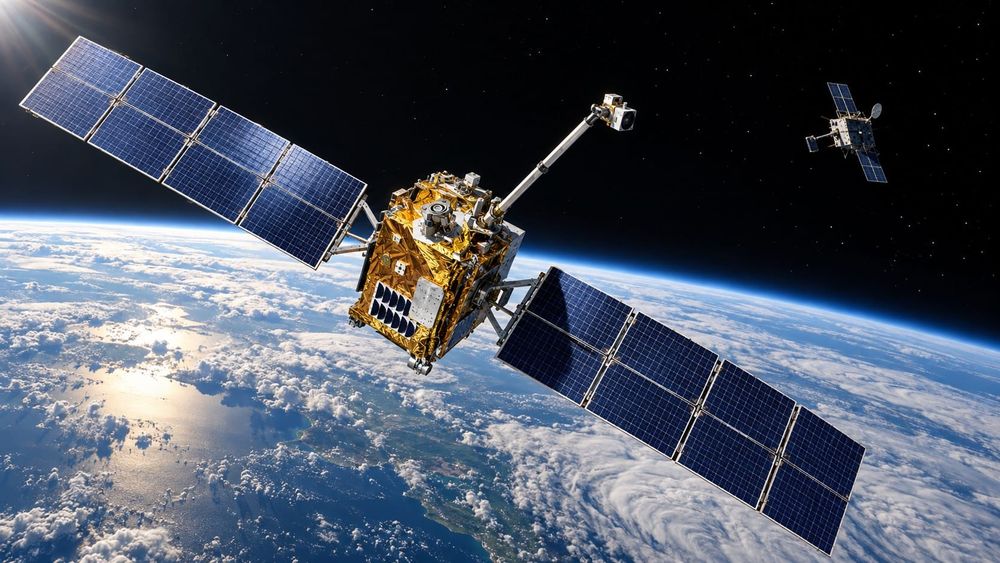
Starfish Space says its first full-scale Otter servicing spacecraft is built and has its first customer assignment: NASA’s SSPICY inspection mission. The company disclosed the milestone at a September 23 event at the Seattle Aquarium and detailed it in a September 24 announcement. Launch is scheduled no earlier than October 2026 aboard SpaceX’s Transporter-18 rideshare, followed by commissioning in low Earth orbit. GeekWire reports a spacecraft mass of approximately 300 kilograms and a planned departure from Vandenberg. Completion is company-reported; launch and orbital performance are still ahead.
Otter’s initial work will be close observation of retired spacecraft. Payload reports that SSPICY will inspect multiple defunct US satellites with their operators’ consent, approaching within hundreds of meters to measure spin rates, identify spin axes, and examine surface conditions. Those measurements turn apparently inert objects into specific engineering problems: how a target moves, where its rotation is directed, and what condition its exterior is in. Co-founder Trevor Bennett told GeekWire that targets would be selected after Otter reaches orbit, with candidates ranging from hundreds of kilograms to multiple tons. The final inspection list remains unsettled.
NASA describes SSPICY as a demonstration of propulsion, guidance, navigation, control, and an articulating robotic boom. The intended capability is inspection across different orbits, producing information useful for future servicing and debris assessment. Bennett estimated that transfers and inspections could occupy a couple of years. The mission could also give NASA observations of how decommissioned spacecraft have weathered prolonged exposure in orbit. That makes each visit potentially useful in two ways: characterizing one particular target and informing how engineers think about aging spacecraft more broadly.
The distinction between this mission and Otter’s broader ambitions matters. Starfish designed Otter for satellite life extension and end-of-life disposal, including interaction with spacecraft never designed for servicing. SSPICY does not establish completed docking, repair, refueling, or removal. Nor should the earlier Otter Pup prototypes be mistaken for this full-scale vehicle: GeekWire reports that the first demonstrated tracking but failed to dock, while Otter Pup 2 was still pursuing its docking objective. The new milestone is a completed spacecraft assigned to a multi-target inspection mission. Successful execution could provide the observations and operating experience needed to make later interventions better informed.
THE DOUGH
NASA’s $15 million Phase III SBIR contract dates to September 2024; the fresh development is spacecraft completion and launch assignment. If inspections demonstrate reliable operations around varied targets, future spending could flow toward inspection services, servicing hardware, and mission-planning systems. Satellite operators could become customers for such information, but the supplied evidence establishes no new commercial orders or operating margins.
We are not financial analysts or investment advisors. Nothing in this newsletter constitutes investment advice. All economic analysis is speculative and for informational purposes only. Do your own research.
THE POSSIBILITIES
Inspection could become a selection tool for future servicing: observations might help determine which retired spacecraft are practical intervention targets. Comparing surface condition across multiple objects could also inform future spacecraft design, even when no inspected satellite is ultimately recovered or moved.
THE HURDLES
Otter must still launch, commission successfully, transfer between inspection opportunities, and conduct the planned approaches. Unsettled target identities and mission duration limit how precisely its eventual scope can be judged, while inspection success would leave docking and disposal to be demonstrated separately.
WHAT TO WATCH
- Transporter-18 launch confirmation and Otter commissioning results.
- Selection of consenting operators’ inspection targets.
- Measured approach distances and usable spin and surface-condition data.
- Demonstrations of transfers between inspection targets.
- Evidence connecting inspection findings to subsequent servicing plans.
Void Economy is researched, written, and illustrated with AI, reviewed and edited by a real, live, flesh-n-blood human.